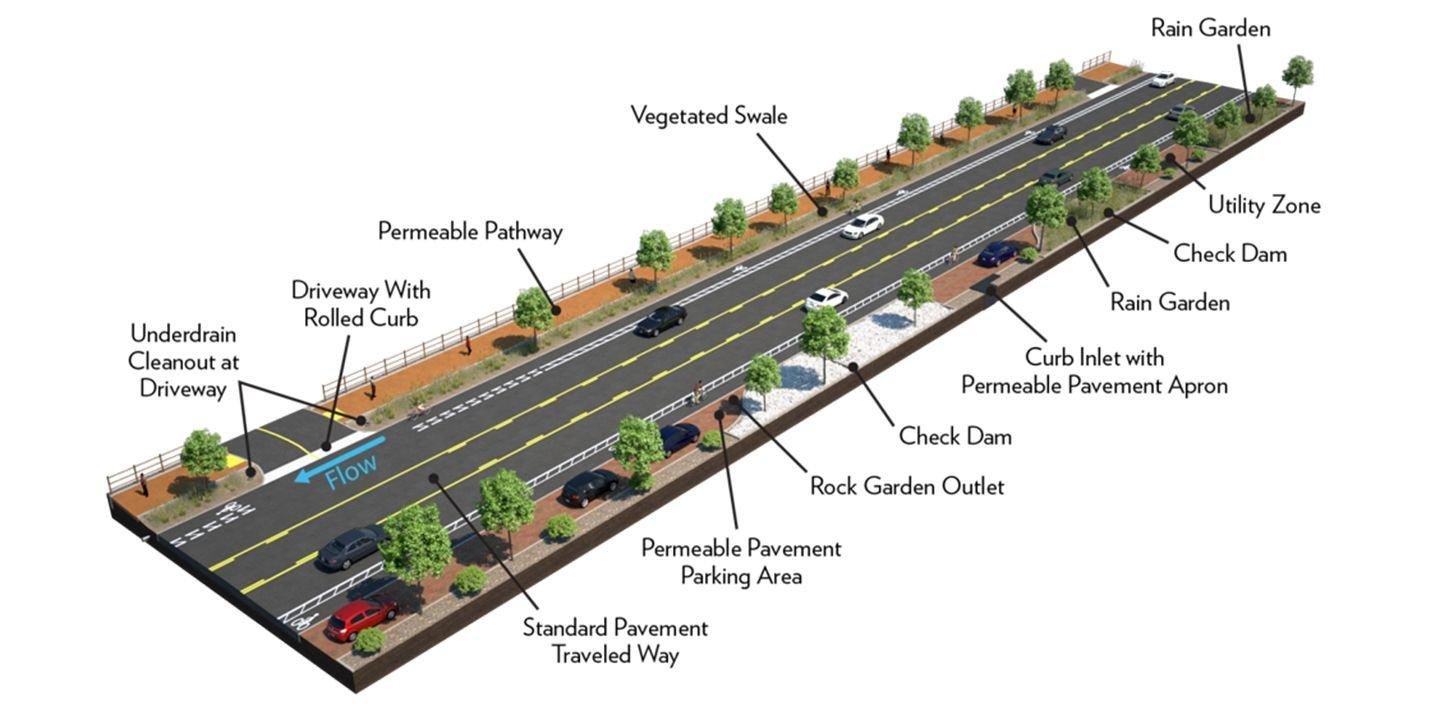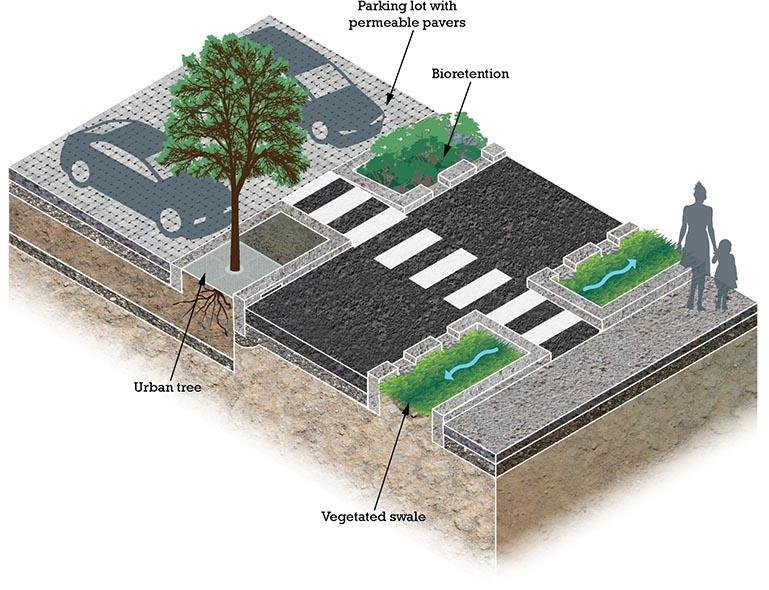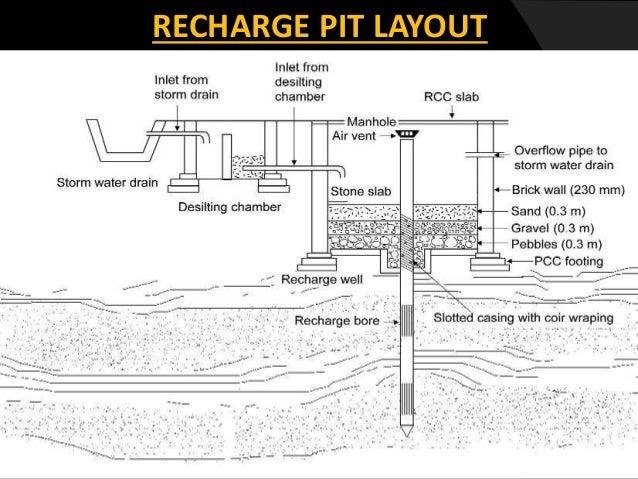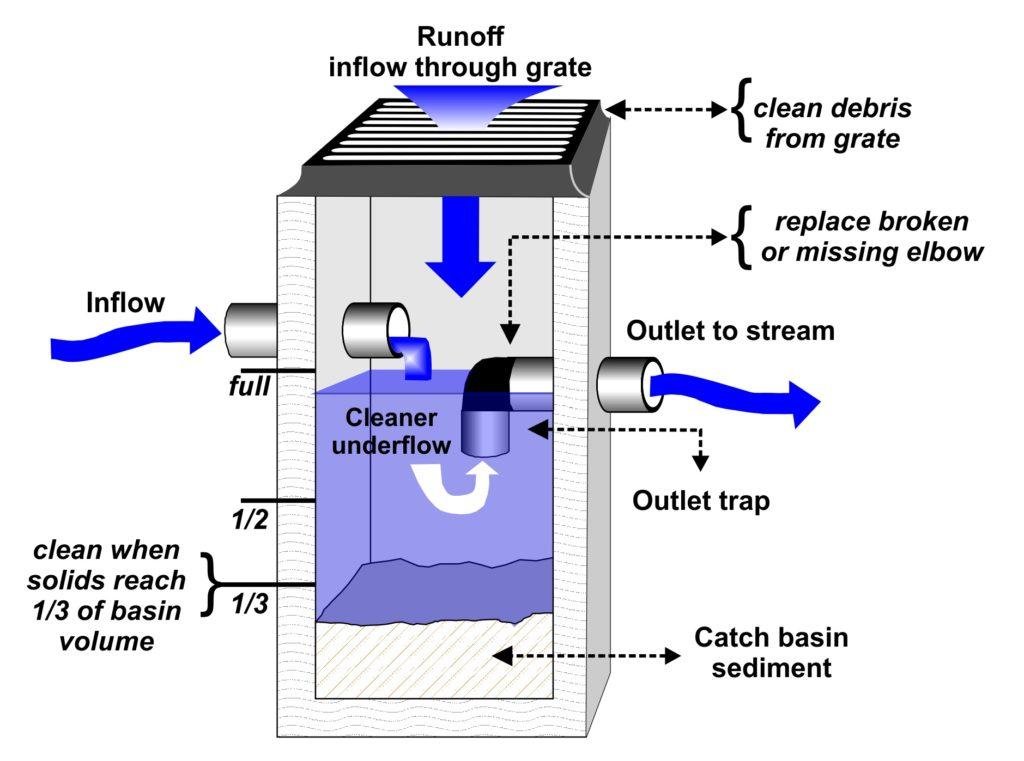
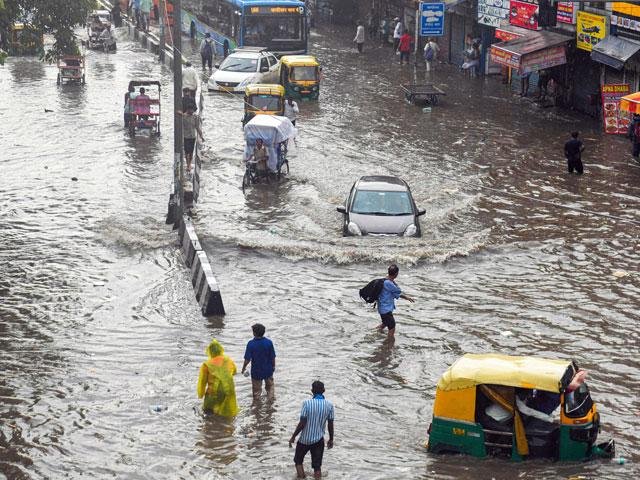
The challenge in many Indian cities is that roads are designed to remove water quickly, but not to manage water intelligently.
🌧️ A Step Towards Sustainable Cities 🇮🇳
What if our roads could solve two problems at once?
Every monsoon, Indian cities face the same crisis:
*Flooded urban road during monsoon* – "The Problem" & “The Solution”
❌ Damaged roads
❌ Water logging
❌ Traffic jams
❌ Wasted rainwater
❌ Falling groundwater levels
Yet, just a few months later, many of these same cities struggle with water scarcity. Instead of treating rainwater as waste that must be drained away, cities should capture, filter, store, recharge, and reuse it.
The problem isn't the rain. It's how we manage it.
Imagine This...
Instead of treating rainwater as waste, every road becomes a *groundwater recharge corridor*.
Instead of allowing rainwater to flow directly into overloaded storm-water drains, recharge pits could be installed at strategic intervals along roadside
drainage networks.
*Less flooding. More groundwater. Sustainable cities.*
*A smart city doesn't just drain rainwater—it captures, filters, stores, and reuses it.*
These pits would:
• Capture excess rainwater during heavy rainfall.
• Filter and recharge groundwater naturally.
• Reduce pressure on storm-water drains.
• Minimize waterlogging on roads.
• Store rain water for non-potable uses such as landscaping, road cleaning, construction, public toilets, and irrigation after suitable treatment.
One intervention. Multiple benefits.
This idea aligns with a globally accepted concept called the "Sponge City" approach.
But Recharge Pits Can Be Only One Piece Of The Solution.
A truly sustainable city combines several nature-based and engineering solutions:
🌱 1. Recharge Pits
Recharge groundwater instead of losing valuable rainwater.
🧱 2. Permeable Pavements
Allow rainwater to seep into the soil rather than running off hard surfaces.
🌿 3. Bios wales
Vegetated roadside channels that slow, filter, and absorb storm-water naturally.
🌼 4. Rain Gardens
Small landscaped depressions that temporarily hold and infiltrate rainwater.
🌳 5. Urban Tree Corridors
Tree roots improve soil permeability while reducing the urban heat island effect.
🏞️ 6. Detention & Retention Ponds
Temporary storage areas that reduce peak flooding during intense rainfall.
🏢 7. Mandatory Rainwater Harvesting
Every large building, school, mall, and industrial facility should capture rooftop rainwater.
📊 8. Smart Water Monitoring
IoT sensors can monitor drain capacity, rainfall intensity, and groundwater recharge in real time.
♻️ 9. Treated Storm-water Reuse
Collected water can support municipal cleaning, irrigation, construction activities, and other non-potable applications.
🚧 10. Prevent Utility Excavation Damage
Roads are frequently dug for utilities such as water, sewer, telecom, gas, and electrical works. Better coordination through utility corridors and integrated planning reduces repeated road cutting, helping drainage systems function effectively over the long term.
Sustainable Cities Don't Fight Rain. They Work With It.
A Real-World Example
Cities such as Singapore and Rotterdam have embraced sponge-city principles by combining green infrastructure, water-sensitive urban design, and rainwater management. In India, cities like Indore and Chennai have expanded rainwater harvesting initiatives, demonstrating how better water management can improve urban resilience.
The future of Indian cities is not wider drains alone. It is smarter planning, groundwater recharge, green infrastructure, and integrated urban design.
Every drop saved today is a step toward a resilient tomorrow.
💬 What more ideas do you think Indian cities should adopt to reduce flooding and secure water for future generations?
#Sustainable Cities #Water Conservation #Rainwater Harvesting #Urban Planning #Climate Resilience #Sponge City #Smart Cities #Ground water Recharge #Green Infrastructure #Sustainable Construction #Architecture #Civil Engineering #India
As architects, urban planners, and engineers, we have the opportunity to create cities that harvest rain instead of merely draining it.